Share This News
Strengthening Regional Capacities in Cyclotron-Based Radionuclide Production: ARASIA Training Course Held in Oman,Muscat, Oman | 8–12 November 2026
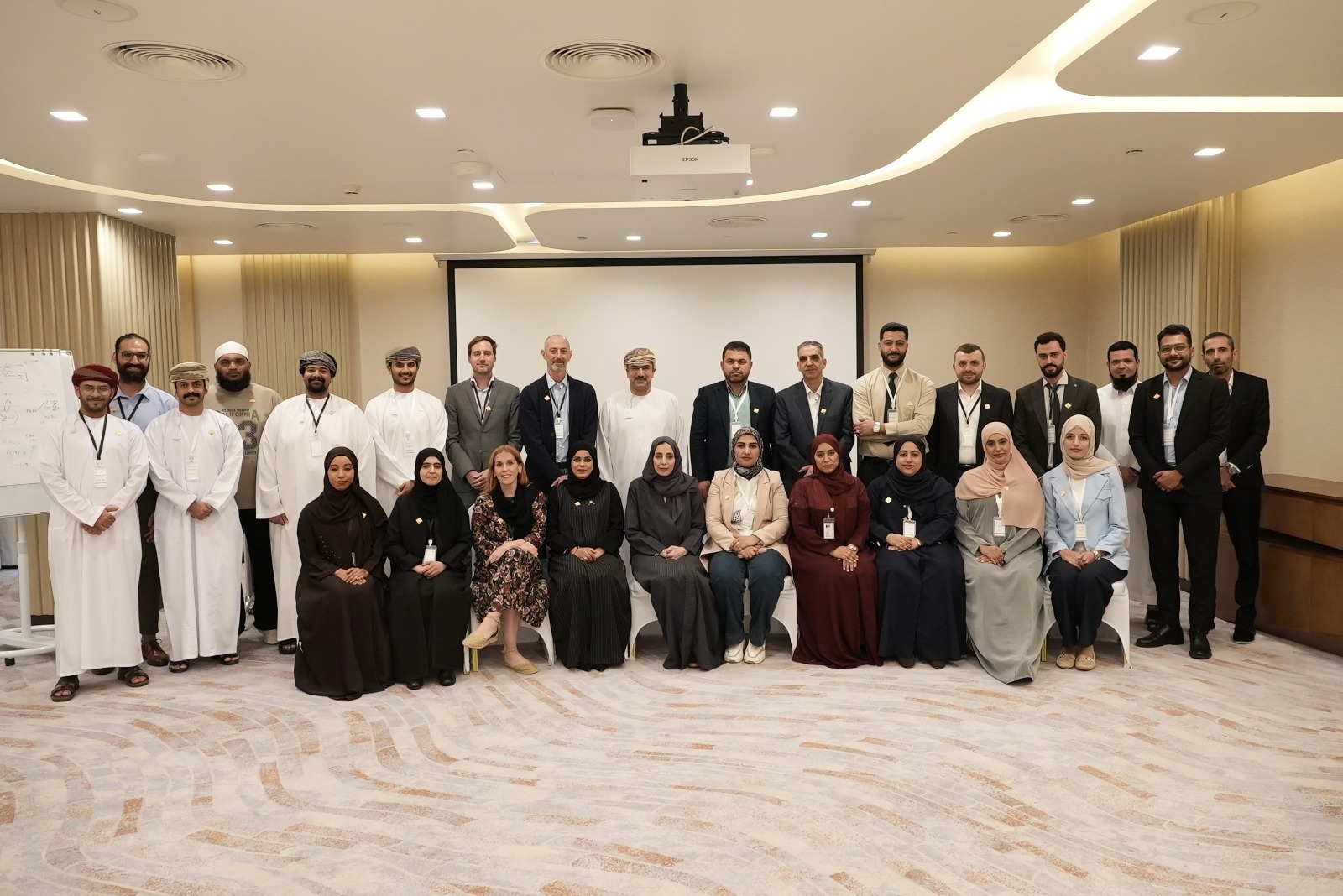
A Regional Training Course on Cyclotron-Based Radionuclide Production was successfully held from 8 to 12 November 2026 in Muscat, Sultanate of Oman, hosted by the Government of Oman through the Royal Hospital, under the framework of the IAEA Technical Cooperation Project RAS6116.
The course aimed to strengthen the technical capabilities of ARASIA Member States in the production and use of cyclotron-produced radionuclides and radiopharmaceuticals, with particular emphasis on emerging radionuclides and radiometals beyond routine Fluorine-18 (¹⁸F) production.
The programme covered key topics in radiochemistry, radionuclide production pathways, target processing, purification, radiolabelling and radiopharmaceutical development. Particular attention was given to Good Manufacturing Practices (GMP), Quality Assurance (QA), Quality Control (QC), validation, documentation and regulatory requirements.
Combining technical lectures and discussions with practical experience at the host institution, the participants had the opportunity to gain insights into cyclotron operation, routine radionuclide production and quality management practices, including a technical visit to the Royal Hospital's facilities.
The training provided an important platform for knowledge exchange and professional interaction among regional experts, contributing to the development of sustainable expertise and enhanced cooperation in nuclear medicine and radiopharmaceutical production across ARASIA Member States.
This activity supports the broader objectives of the ARASIA regional cooperation programme and contributes to Sustainable Development Goal 3 (Good Health and Well-being) by promoting access to advanced nuclear medicine technologies and strengthening regional capacities for cancer diagnosis and treatment.
The IAEA's continued support through its Technical Cooperation Programme remains essential in developing human resources, promoting the exchange of expertise and enhancing the quality and sustainability of nuclear medicine services in the region.
You might also like


